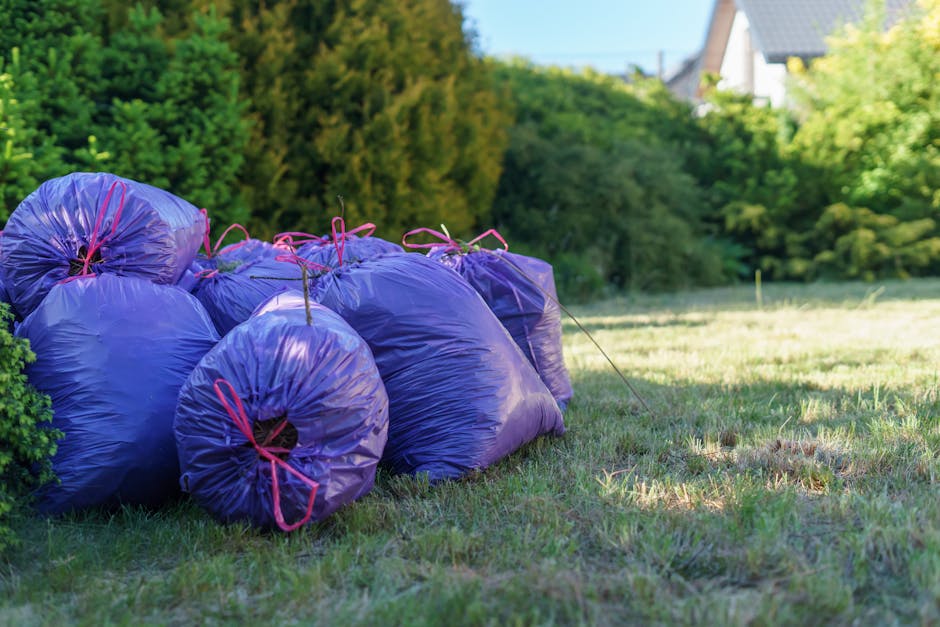
Guide to Bromley Council garden waste rules for Beckenham
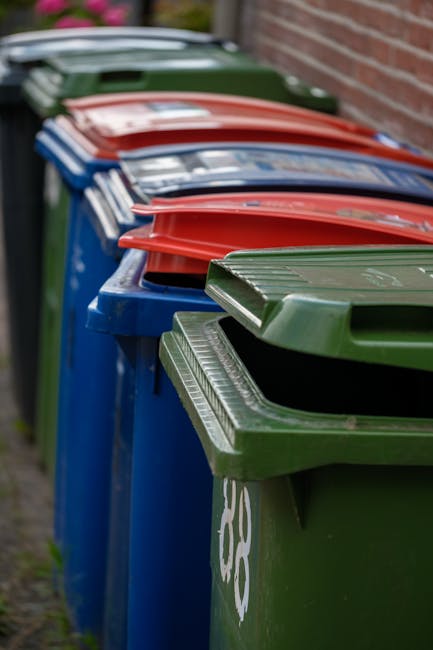
If you garden in Beckenham, you will know the routine: a bit of hedge trimming, a few lawn cuts, maybe a proper tidy-up after a windy weekend, and suddenly there is a growing pile of green waste. The Guide to Bromley Council garden waste rules for Beckenham is useful because it helps you avoid the usual headaches - missed collections, the wrong bin contents, and the "can I put this out or not?" dilemma that seems to appear every spring.
Truth be told, most garden waste problems are not dramatic. They are small, annoying, and easy to get wrong. This guide breaks down how garden waste collection typically works in Bromley, what counts as garden waste, what does not, and how to stay organised whether you are managing a small back garden or a larger outdoor space. You will also find practical tips, a comparison table, and a checklist you can actually use. No fluff. Just the useful bits.
Why Bromley Council garden waste rules matter in Beckenham
Garden waste rules matter because they shape what you can place in your green bin, what needs separate disposal, and when you may need an alternative solution. In Beckenham, where gardens range from compact town plots to larger family spaces, a little clarity saves a surprising amount of time.
Let's face it, garden waste is rarely just "grass." One weekend you might have lawn clippings, ivy, prunings, dead plants, soil from a border refresh, and a few awkward branches. If you do not know the local rules, it is easy to mix accepted material with items that should not go in the same collection. That can lead to a rejected bin, contamination issues, or extra handling later on.
There is also the practical side. If you are planning a seasonal clear-up, a hedge reduction, or a bigger redesign, understanding the council's approach helps you choose the right route from the start. For example, a routine tidy-up may fit neatly into your normal collection setup, while a large clearance might be better handled as part of a broader garden clearance plan. That distinction matters more than people expect.
Key takeaway: the goal is not just disposal. It is avoiding contamination, choosing the right collection method, and keeping your garden work efficient from the start.
And if your outdoor space needs regular attention, ongoing care through garden maintenance can reduce waste build-up in the first place. A little prevention really does go a long way.
How Bromley Council garden waste rules work
Most council garden waste systems in London follow a similar principle: recyclable organic material should be separated from non-organic rubbish, and collections are generally designed for clean green waste rather than mixed debris. The details can change, so it is always worth checking the current Bromley Council instructions directly before you put anything out. That part is crucial.
For most households, the practical question is simple: what counts as garden waste? In broad terms, this usually includes soft green material such as grass cuttings, hedge trimmings, leaves, small twigs, plant cuttings, and weeds. Harder, mixed, or contaminated material is often treated differently. Think pots, stones, plastic ties, compost bags, turf with excessive soil, or anything with food waste mixed in. Different councils draw the line in slightly different places, which is why overconfidence can be a nuisance.
You will also need to think about container use, presentation, and collection timing. Most council systems expect waste to be ready by the scheduled collection time, in the correct container, and free from non-accepted material. Miss that, and even a tidy heap can become a rejected one. Bit frustrating, but it is manageable once you know the pattern.
For larger volumes, many residents combine council collection with a professional visit. That can be helpful after a full cut-back, landscaping work, or tree pruning. If the job involves heavier branches or overgrown areas, a service such as tree lopping and removal may be more appropriate than trying to squeeze everything into standard garden waste handling.
Key benefits and practical advantages
Understanding the rules is not just about avoiding penalties or inconvenience. It has real day-to-day benefits.
- Less waste contamination: keeping compostable material separate makes disposal easier and more efficient.
- Cleaner garden routines: when you know what is accepted, you can sort waste as you work instead of doing a messy second pass later.
- Better timing: you can plan cuts, hedge trims, and clear-ups around collection days instead of leaving piles sitting around.
- Lower stress: no one enjoys wondering whether a bag of cuttings is about to be refused.
- Improved sustainability: separating organic waste properly supports recycling and composting pathways.
There is another benefit people often overlook: the rules can influence how you maintain the garden through the year. If you know that major pruning creates more waste than your usual collection can handle, you are more likely to schedule it sensibly. In practice, this often means smaller, more frequent maintenance tasks instead of one huge, exhausting clear-up every few months.
That is where local services can fit in neatly. For example, regular lawn mowing keeps grass cuttings under control, while hedge trimming prevents an oversized pile of clippings from building up all at once. Simple, but effective.
Who this is for and when it makes sense
This guide is useful for pretty much anyone in Beckenham who generates garden waste, but the need is strongest in a few situations:
- Homeowners with front or rear gardens who want to keep collections organised.
- Landlords and letting agents dealing with garden turnover between tenancies.
- Older residents who want a simpler, predictable approach to garden disposal.
- Busy households that only have time for occasional maintenance.
- People planning bigger changes, such as landscaping, re-turfing, or hard landscaping work.
It also matters if you are trying to decide between council collection and professional help. Small quantities of neat green waste may be easy enough to manage through the council route. But if you have just cut back a large shrub, lifted a border, or tackled a neglected corner at the back of the garden, you may be looking at more material than you first thought. That is normal. In real gardens, jobs grow. Always do.
If your aim is to improve the garden rather than just clear it, the rules matter even more. For instance, a project that includes landscape gardening or broader landscaping often creates mixed waste streams, and those are harder to sort casually.
Step-by-step guidance
If you want a straightforward way to stay on the right side of Bromley Council's garden waste approach, use this process.
- Identify the waste type. Separate soft green waste from wood, soil, plastic, rubble, and general rubbish.
- Check what is accepted locally. Council rules can change, so make sure you are working from current guidance rather than memory from last year.
- Sort as you go. Put grass, leaves, and light clippings in one pile; keep heavier or questionable items aside.
- Prepare the waste properly. Make sure containers, bags, or piles are presented in the required format and do not contain contamination.
- Plan around collection dates. Timing matters. Waste left out too early can create mess or be removed by weather.
- Decide if the volume is manageable. If the pile is getting too large, consider whether a one-off clearance is the more sensible route.
Here is the bit that many people skip: do a quick "second look" before disposal. If you can spot a broken plant pot, a bit of wire, or soil clumped into the clippings, remove it. That small check can prevent the whole lot from being treated as contaminated. It takes a minute. Saves a headache.
If you are already in the middle of a seasonal tidy-up, pairing waste removal with ongoing care can make life easier. Regular work through garden maintenance usually produces more manageable waste than waiting until the garden becomes unmanageable. The difference is oddly satisfying - like finding your shed floor again.
Expert tips for better results
Here are the practical habits that make the biggest difference in real gardens.
- Cut little and often: frequent light pruning usually creates easier-to-handle waste than one big prune.
- Keep a separate corner for green waste: a dedicated pile or bag area avoids accidental mixing.
- Use the right tools: sharp shears and a tidy mower reduce ragged material and bulky leftovers.
- Think in zones: tackle one part of the garden at a time so waste does not spread everywhere.
- Watch for hidden contamination: old string, labels, plant ties, and bits of plastic love to hide in cuttings.
One thing we notice a lot is that people underestimate how much weight wet green waste can carry. A dry bag of clippings feels harmless; a damp one after a drizzly afternoon can be much heavier and messier. If you are working in typical Beckenham weather, it is worth planning with that in mind. Not glamorous, but practical.
Another sensible move is to think ahead if your garden includes structural features. A decking area, for example, can trap leaves and moss at the edges, which means cleaning becomes part of your garden waste routine. If you are making improvements around that space, decking services can help you improve the area so it is easier to maintain later on.
Common mistakes to avoid
Most problems with garden waste are predictable. That is the good news. The bad news is people keep making the same handful of mistakes.
- Mixing waste types: putting plastic, rubble, soil, or domestic rubbish with green waste is the fastest way to create a problem.
- Leaving waste out too early: it can blow about, become soggy, or get moved before collection.
- Overfilling containers: even the right waste can be difficult to collect if it is packed badly.
- Assuming all garden material is accepted: roots, thick branches, and contaminated material may need different handling.
- Forgetting seasonal spikes: spring and autumn always produce more waste than people think. Always.
Another common issue is trying to do too much in one go. A large hedge trim on a Saturday morning can look manageable at first, then suddenly you are standing in a pile of branches wondering where the bin disappeared to. A bit funny in hindsight, less funny when you are already tired. That is usually the moment people realise they should have planned the disposal step first.
If the work involves a combination of cutting, clearing, and reshaping, a more structured approach may be better than relying only on council collections. That is especially true if you are clearing an overgrown boundary or dealing with a neglected corner that has not been touched for months.
Tools, resources and recommendations
You do not need a complicated toolkit to manage garden waste well. A few simple tools go a long way.
- Pruning shears and loppers: for clean cuts and easier handling.
- Rake and leaf grabbers: useful for collecting lighter material quickly.
- Heavy-duty sacks or bins: helpful for keeping waste separated as you work.
- Tarpaulin: makes it easier to move waste without scattering it across the path.
- Wheelbarrow or garden trolley: especially useful if you are dealing with repeated trips from the back garden.
From a planning point of view, the most helpful resource is often your own maintenance schedule. That sounds obvious, but many gardens become difficult because tasks are left to stack up. A light monthly routine reduces waste spikes and keeps the space easier to manage. If you need regular help staying on top of things, services such as lawn mowing and hedge trimming can keep the workload from becoming unreasonably large.
For people who care about the disposal side as much as the gardening side, the website's recycling and sustainability approach is worth a look because it reflects the practical idea behind proper waste separation: keep useful organic material in the right stream and avoid making more rubbish than necessary.
Law, compliance, standards and best practice
This topic sits in a practical compliance space rather than a dramatic legal one. The main point is simple: local authority collection rules should be followed carefully, and waste should be presented in a way that does not create contamination or collection issues. If you are unsure, check the current Bromley Council guidance rather than guessing. Guessing is rarely a winning strategy, to be fair.
There are also broader UK expectations around waste handling. In everyday terms, that means sorting waste responsibly, avoiding fly-tipping, and using legitimate disposal routes. If you hire someone to remove garden waste, it is sensible to choose a provider that works safely, handles waste appropriately, and is transparent about how the job is carried out. You want the green pile gone, yes, but you also want it handled properly.
For businesses or landlords with more frequent needs, it is wise to treat garden waste as part of a wider property maintenance plan. That can include health and safety awareness, careful scheduling, and clear expectations about scope. If you are arranging more involved work, you may also want to review the company's health and safety policy, insurance and safety information, and terms and conditions so everyone knows where they stand.
Professional standards are not just paperwork. They tell you whether the work is being done with proper care, especially when tools, sharp edges, ladders, or heavier clearance tasks are involved. That matters more than people think, particularly with larger gardens or access issues.
Options, methods and comparison table
There is more than one way to handle garden waste in Beckenham. The right choice depends on volume, timing, and how much effort you want to put in yourself.
| Method | Best for | Advantages | Limitations |
|---|---|---|---|
| Council garden waste collection | Regular small-to-medium amounts of accepted green waste | Simple for routine disposal, convenient when waste is sorted well | Limited to accepted materials and collection rules |
| Home composting | Leaves, grass cuttings, and other suitable organic waste | Good for sustainability, reduces disposal needs | Not ideal for all materials; needs space and patience |
| Professional garden clearance | Large tidy-ups, overgrown gardens, mixed waste, or time-sensitive jobs | Efficient, convenient, better for bigger volumes | May cost more than routine council disposal |
| Ongoing maintenance plan | People who want to prevent waste build-up | Reduces future mess and keeps the garden manageable | Requires regular attention or scheduled visits |
If your garden tends to stay tidy with only light clipping and mowing, council collection or composting may be enough. If things have grown a bit wild, or you are dealing with a larger project, a structured garden clearance is often the calmer choice. Calm is underrated. Very underrated.
Case study or real-world example
Imagine a typical Beckenham garden after several months of neglect. The lawn has gone a little shaggy, the hedge is pushing over the path, and there are old leaves gathered under the fence line. Nothing extreme, but enough to feel awkward. The owner starts with the grass, then trims the hedge, then clears the borders, and before long there is a mixed pile of clippings, twigs, and forgotten debris.
At that point, the smart move is to separate the waste immediately. The soft green material can be grouped for collection or composting, while the heavier or questionable bits get set aside for another route. If the hedge work creates more material than expected, a service such as hedge trimming becomes not just a cosmetic improvement but a waste-management decision too.
In a similar situation, one of the biggest mistakes is waiting until the end and trying to sort everything in a single heap. That always takes longer than people think. By contrast, sorting as you cut keeps the job clean and stops the garden from turning into a temporary dumping zone. A little dull in the moment, but it pays off.
The result is usually a tidier outdoor space, less pressure on the collection system, and a clearer idea of what needs to happen next. Sometimes the best garden decision is simply not letting the waste become the main event.
Practical checklist
Use this quick checklist before you put garden waste out or book a removal job.
- Have I separated green waste from plastic, soil, rubble, and general rubbish?
- Do I know whether the material fits Bromley Council's current collection rules?
- Is the waste dry, secure, and easy to handle?
- Have I removed string, labels, plant pots, and other contaminants?
- Is the amount small enough for normal collection, or is it really a bigger job?
- Do I need support from a maintenance or clearance service?
- Is the garden work part of a wider improvement plan?
- Have I checked access, timing, and collection day details?
- Do I want to reduce future waste by scheduling regular upkeep?
If you can tick most of those off, you are in good shape. If not, no drama - it just means the job needs a slightly better plan.
Get a free quote today and see how much you can save.
Conclusion
The main thing to remember about the Guide to Bromley Council garden waste rules for Beckenham is that good waste management is mostly about preparation. Know what counts as garden waste, separate it properly, and choose the right disposal route for the size of the job. Small routine jobs are easy to manage when you stay on top of them. Bigger clearances need a more deliberate approach.
If you use the rules well, you save time, reduce mess, and make your garden work feel far less stressful. And honestly, that is what most people want: a tidy space, a clear plan, and no surprise pile of damp clippings sitting by the gate. That's the dream, really.
For ongoing help with keeping your outdoor space under control, you can also explore the wider company information on services overview or learn more about the team via about us. If you prefer to talk through a job before deciding, the contact us page is there when you need it.
Frequently Asked Questions
What counts as garden waste under Bromley Council rules?
Garden waste usually means organic material from the garden, such as grass cuttings, hedge trimmings, leaves, weeds, and small prunings. Mixed rubbish, plastic, rubble, and heavily contaminated material are typically treated differently. Always check the current council guidance if you are unsure.
Can I put soil in my garden waste collection?
Soil is often handled differently from loose green waste, and some councils restrict it or exclude it from standard garden waste collections. If your waste includes turf, roots, or a lot of soil, it is best to separate it and check the local rules first.
Do I need to bag garden waste before collection?
That depends on the council's current collection method and container rules. Some systems use specific bins, while others allow authorised sacks or containers. The safest approach is to follow the exact collection instructions rather than assuming any bag will do.
What should I do with branches and larger cuttings?
Larger branches can be more difficult to manage than soft clippings. If they do not fit the collection rules, you may need to cut them down further, store them separately, or arrange a larger clearance. For bulky jobs, professional support can be more efficient.
Is composting a better option than council collection?
For suitable organic waste, composting can be an excellent option because it reduces disposal needs and supports sustainability. That said, it is not ideal for all materials, and it requires space, care, and patience. A lot depends on how much waste your garden generates.
How often should I clear my garden waste?
There is no one-size-fits-all answer. Many gardens work best with light, regular clearing rather than infrequent major tidy-ups. If you mow, trim, or prune often, collecting waste as you go usually keeps things far easier to manage.
What happens if I mix rubbish with garden waste?
Mixed waste can be classed as contaminated and may be rejected or treated differently. That can create delays and extra work. A quick sorting check before collection can prevent the whole pile from becoming a problem.
When should I consider a professional garden clearance?
If the volume is too large for routine collection, the garden is heavily overgrown, or the job includes mixed materials, a professional clearance is often the practical option. It is especially useful when you want the space cleared quickly and properly.
Can regular garden maintenance reduce waste problems?
Yes. Ongoing maintenance usually produces smaller, more manageable amounts of waste and prevents the garden from becoming overwhelming. Services such as garden maintenance can make a big difference over time.
How do I know whether a garden waste job is too big for the council route?
If you have several large piles, thick branches, a lot of hedge cuttings, or waste mixed from multiple tasks, it may be more than a standard collection can comfortably handle. If in doubt, compare the amount against your usual collection size and ask whether a more organised clearance would save time.
Are there safety concerns when handling garden waste?
Yes, especially if you are lifting heavy bags, cutting branches, or using sharp tools. Wear gloves, take care on wet ground, and do not rush awkward jobs. If the work involves higher-risk tasks, it is sensible to look at the company's health and safety policy and insurance and safety information.
Where can I find help if I want a quote or more information?
You can review the company's pricing and quotes information, or use the contact page to ask about your specific garden waste or clearance needs. A quick conversation usually clears up a lot.