Gardening Services in Beckenham

We provide gardening services in Beckenham for homes and managed outdoor spaces that need practical, tidy and well-planned care. Our work can include routine garden maintenance, lawn mowing, hedge trimming, garden clearance, tree lopping and removal, decking services, and landscape gardening, depending on what your plot needs and how you want it to look. The aim is straightforward: keep the outside area presentable, usable and easier to look after through the seasons.
Some gardens need regular attention to stay neat; others need a more substantial reset before they become manageable again. We can help with ongoing upkeep or one-off work, and we treat each job as a set of clear tasks rather than a one-size-fits-all visit. If you are comparing options, useful service detail and a clear scope matter more than broad promises. For an initial conversation, you can request a quotation in plain English and outline the work you would like done.
Our approach is designed to suit different property types, from compact front gardens to larger back gardens with mixed planting, borders, lawns and hard surfaces. Where needed, we can combine several services so the work is completed in a sensible order: clearing first, then shaping, then finishing and maintenance planning. That makes the result easier to keep on top of, and it helps you decide whether the job is best handled as a single visit or a scheduled programme.
Garden maintenance for tidy, healthy outdoor spaces
Garden maintenance is often the best place to start when you want the outdoor space to look cared for without turning it into a major project. This can cover weeding, border tidying, cutting back overgrowth, seasonal pruning where appropriate, leaf clearance and general presentation work. The right maintenance plan depends on what is already growing, how quickly the garden changes and whether you want a light tidy or a fuller reset.
We can also support recurring upkeep where regular visits are more practical than waiting for tasks to pile up. In some gardens, the work is mostly about keeping growth under control; in others, it is about protecting structure and access so paths, steps, gates and planting areas remain easy to use. If you are deciding what to prioritise, start with the areas that affect appearance and access most strongly, then build the rest of the work around those needs.
Maintenance becomes more effective when it is planned around the state of the garden rather than a fixed formula. A border full of mature shrubs needs a different touch from a simple lawn and hedge arrangement, and a neglected plot may need cutting back before routine care can resume. We can help shape a sensible order of work so the garden is not just cleaner on the day, but also easier to maintain afterwards.
Lawns, hedges and the visible structure of the garden

Lawn mowing and hedge trimming are two of the most visible parts of garden care, and they often determine whether the whole property feels controlled or untidy. A lawn benefits from a cut that suits its condition and growth pattern rather than simply taking everything down too far. Hedges need trimming with attention to shape, privacy, safety and the plant type involved, especially where boundaries and walkways are close together.
The best result usually comes from working with the garden’s existing structure. That may mean defining edges, keeping paths clear, reducing uneven growth, and making sure the lawn sits neatly against borders or hard landscaping. If the hedge line has become broad or leggy, a careful reduction may be better than a quick cosmetic trim. Likewise, if the grass has long periods between cuts, the first pass may need more judgement than a standard maintenance visit.
For customers who want a straightforward service choice, it often helps to think in terms of visible priorities.
- Choose lawn mowing when the turf needs regular control and a consistent finish.
- Choose hedge trimming when shape, boundary definition or access is becoming difficult.
- Choose both when the garden needs a neater overall outline rather than a single isolated task.
Clearance work for overgrown, cluttered or reset gardens
Garden clearance is useful when the space has outgrown its current upkeep routine, or when accumulated green waste, cuttings and unwanted growth are making normal maintenance harder. Clearance can include the removal of dense vegetation, dead material, old plant growth, fallen branches and other garden debris that is preventing the area from being used properly. It is especially relevant where a plot needs to be brought back to a manageable baseline before ongoing care can begin.
Clearance is not only about removing visible clutter. It also creates room for the next stage of work, whether that means re-establishing borders, restoring access to sheds and paths, or preparing a section for replanting. In some cases the work is modest and selective; in others it is a more comprehensive tidy-up of a neglected garden. The right level depends on how far the garden has drifted from regular care and what you want to keep.
Because clearance can vary so widely, it is helpful to separate what should stay from what should go. If you are arranging work, make a note of any shrubs, trees, borders or structures you want protected, and identify areas that are not to be touched. That clarity keeps the work precise and avoids unnecessary removal. It also helps us assess whether the job is mainly clearance, mainly maintenance, or a combination of both.
Landscape gardening and garden improvement
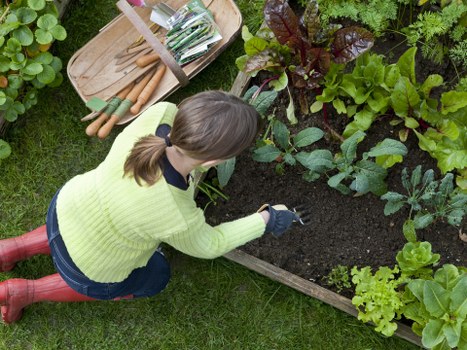
Landscape gardening is the natural next step when you want more than tidy-up work and need the garden to function better as a whole. This may involve reshaping planting areas, reworking boundaries, improving layout, introducing fresh structure or replacing tired sections with something more coherent. A well-planned landscape project can make a garden easier to use, easier to maintain and more consistent in appearance across the year.
The scale of landscape gardening can vary a great deal. Some projects focus on small but important changes such as edging, planting structure or defining transitions between lawn and patio. Others are broader and may involve rebalancing the whole garden layout so there is a clearer sense of flow. A practical design should suit the site rather than force a fashionable idea onto it, and it should take account of the space available, the existing features and the amount of future care you want to commit to.
When planning improvements, it helps to think about the roles different parts of the garden need to play. A planting area may need visual interest, a lawn may need open space, and a border may need definition rather than more complexity. Good landscape gardening is about proportion as much as planting, so the work should support how you actually use the garden, not just how it looks in a proposal.
Decking services and hard landscaping choices
Decking services can add a practical sitting or circulation area where a garden needs a clear, level surface. Decking may suit spaces that slope, break up awkwardly, or need a defined zone near doors and seating. It also sits naturally alongside other hard landscaping work when the aim is to create better movement between areas rather than leave the garden as a series of disconnected patches. The finish, layout and materials should all be chosen with maintenance and intended use in mind.
Hard landscaping decisions are best made with the whole garden in view. A deck should not overwhelm a small plot, and it should not be added simply because it is popular. Instead, it should support access, outdoor use and the character of the property. In some gardens, a compact platform works well; in others, a wider arrangement may be more appropriate if there is enough space and the rest of the layout can support it.
Useful decisions often come down to practicality. Consider how much sun the area gets, how you plan to move across the garden, and whether the existing ground levels or boundaries limit what can be done. If you are weighing up options, it is sensible to compare decking against other surface or layout solutions before settling on the right approach. A clear quotation should reflect the real shape of the job rather than a generic build idea.
What shapes the quotation and the scope of work

Quotation preparation is usually clearer when the garden has been described in terms of tasks rather than general impressions. The condition of the lawn, the length and density of hedges, the amount of clearance needed, the level of access and the overall size of the area all affect how the work is approached. If decking or landscaping is involved, the materials, layout and finish also matter. These details help turn a broad request into something specific and fair.
It is usually helpful to give a concise summary of the current state of the garden and the result you want. You do not need to over-explain, but a few practical notes can save time: which areas need attention first, what should be kept, whether access is easy, and whether there are any fragile features nearby. Clear instructions lead to clearer pricing, especially where the work involves several different parts of the garden.
For the easiest start, send a simple outline of the job and ask for a quotation based on that scope. If you have a mixture of maintenance and heavier work, mention both so the estimate can reflect the actual sequence. That makes it easier to compare options sensibly and helps you decide whether to phase the work or complete it in one visit.
About Beckenham
Beckenham is a suburban district in south-east London, within the London Borough of Bromley, shaped by its position between inner London and the greener edge of Kent. Its development accelerated with the arrival of the railways in the nineteenth century, when improved transport links encouraged residential expansion from a village setting into a more substantial commuter suburb. Traces of earlier settlement remain in its historic core, while much of the surrounding street pattern reflects Victorian and Edwardian growth. The area includes a mix of residential roads, local shops, civic spaces and pockets of open land, giving it a varied but recognisable urban character. Beckenham Green provides a central public space, and nearby Kelsey Park offers mature trees, water, walking routes and a landscaped environment that contrasts with the denser streets around the town centre. The cultural life of the district has also been influenced by music and sport, with local venues, clubs and community facilities contributing to its identity. Transport remains a defining feature: Beckenham Junction, New Beckenham and Clock House help connect the area to wider London, while tram links and bus routes reinforce its position as a well-connected suburban centre. Historic buildings, church landmarks and surviving older streets give the district a sense of continuity, while later housing estates and retail development show how it has adapted over time. The result is a place that combines everyday suburban life with visible layers of history, green space and civic change.
Garden work planned around your property
Different properties call for different levels of intervention, and the best garden service respects that. A small front garden may need little more than accurate mowing, edging and occasional trimming, while a larger back garden may need seasonal clearance followed by regular maintenance. Where planting is established, the work may focus on keeping the shape of the garden intact, rather than replacing everything or forcing a new style on the space. That practical judgement is often what keeps a garden looking balanced.
If a garden is shared, visible from the street or used often by children, pets or visitors, the order of work becomes especially important. Clearing access, trimming boundaries and defining surfaces can make the whole space feel more orderly before the finer tasks are carried out. The right service mix depends on what matters most to you: appearance, usability, simplicity of upkeep or a fuller redesign. Simple priorities often produce the best outcome when they are applied consistently.
There is no need to treat every garden as though it needs a complete overhaul. Some spaces benefit from steady, regular care; others need an initial reset and then a lighter routine. We can support either approach, and the quotation should reflect that distinction so you can choose the most suitable way forward without unnecessary extras.
Keeping the work practical from first enquiry to finish
A straightforward enquiry is usually the quickest way to establish what the garden needs. It helps to describe the service type, the size of the area and the main issue you want addressed, whether that is overgrowth, uneven lawn growth, boundary trimming or a broader improvement project. If the job includes several tasks, a short sequence of priorities makes it easier to identify what should happen first and what can follow after that.
Once the scope is clearer, the rest of the work is easier to organise. Clearance can prepare the ground for maintenance, maintenance can preserve the effect of landscaping, and hard landscaping can create structure that supports future care. The most efficient plan is usually the one that avoids unnecessary repetition and focuses on the specific condition of the garden. If you are ready to move on, ask for a quotation and outline the areas you want assessed.
For a prompt next step, view pricing and quotes if you want to understand how the work is approached before you decide. When you are ready to discuss your garden, contact us for a quotation and share the tasks you would like included.